

Investing in Giacomo Conterno
Overview
High in the hills of Monforte d’Alba, at the very heart of Barolo country, stands Giacomo Conterno—a name that commands instant respect among lovers of great Italian wine. Founded in 1908 by Giacomo’s father, Giovanni, the estate became legendary in the 1920s when Giacomo began bottling Barolo with an unprecedented vision: wines built not for immediate pleasure, but for decades of evolution.
That philosophy reached its zenith with the creation of Monfortino in 1924, a single-barrel selection made only in the finest years, celebrated for its power, structure, and extraordinary longevity.
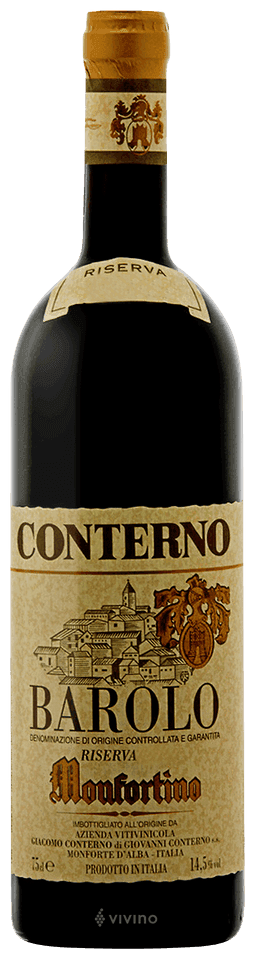
Under the leadership of Giovanni Conterno and later his son Roberto, the estate expanded its holdings, including the famed Cascina Francia vineyard (now called Arione and Francia), whose limestone-clay soils produce Nebbiolo of breathtaking intensity and balance.
Conterno’s approach remains unwavering: long macerations, aging in large Slavonian oak casks, and a refusal to compromise tradition for trend. The result is Barolo in its purest, most timeless form—wines that carry the voice of their vineyard across generations. For collectors and purists, opening a Giacomo Conterno is not just drinking a wine—it’s stepping into over a century of Piemonte’s winemaking soul.
Quick Facts - Giacomo Conterno, Monfortino
Attribute | Details |
|---|---|
Region | Piedmont |
Grape Varieties | Nebbiolo |
First Vintage | 1920 |
Critically Acclaimed Vintages | 2004, 2010, 2014, 2015, and 2019 |
Average Critic Score | 96.8 Points |
Current Market Liquidity | Very Liquid |
Drinking Window | 25 - 40 years |
Giacomo Conterno, Monfortino Riserva Label Index Tracker

Analyst Note - From Matthew Small (Head of Investment)
Giacomo Conterno’s Monfortino Riserva stands at the very top of Barolo, widely regarded as the pinnacle of the region for both quality and price. Produced only in select years, Monfortino is a trophy wine for Piedmontese collectors, celebrated for its power, longevity, and pedigree. The Monfortino Riserva index has returned 9% annualised CAGR over 10 years. The wine boasts an impressive average critic score of 97 points, alongside high global liquidity and a low beta of 0.49. Monfortino’s low price volatility makes it a reliable and stable performer, ideal for collectors and investors seeking prestige and consistency in their portfolios.
Dinner Party Story
Back in the 1920s, in an era when Barolo was mostly sold young and in bulk, Giacomo Conterno began bottling a riserva he called Monfortino—a Barolo meant to be “undrinkable” when young, designed only for decades of aging. It was a radical statement in devotion to terroir and patience, and today remains the estate's most legendary expression.
Enjoyed the article? Spread the news!
Read More
Wine Investing
15 Jan 2026
WineFi Q4 2025 Quarterly Report
Introduction
We’re extremely excited to share our quarterly wine market report - delivering the most detailed view of the wine markets through Q4 2025. This is a pivotal report, as Q4 saw a continuation of the positive market momentum first observed in Q3.
The WineFi Trade Price Index recorded its second consecutive quarter of growth - a trend we have not seen in over three years.
Wine Investing
14 Jan 2026
What Is En Primeur?
What Is En Primeur?
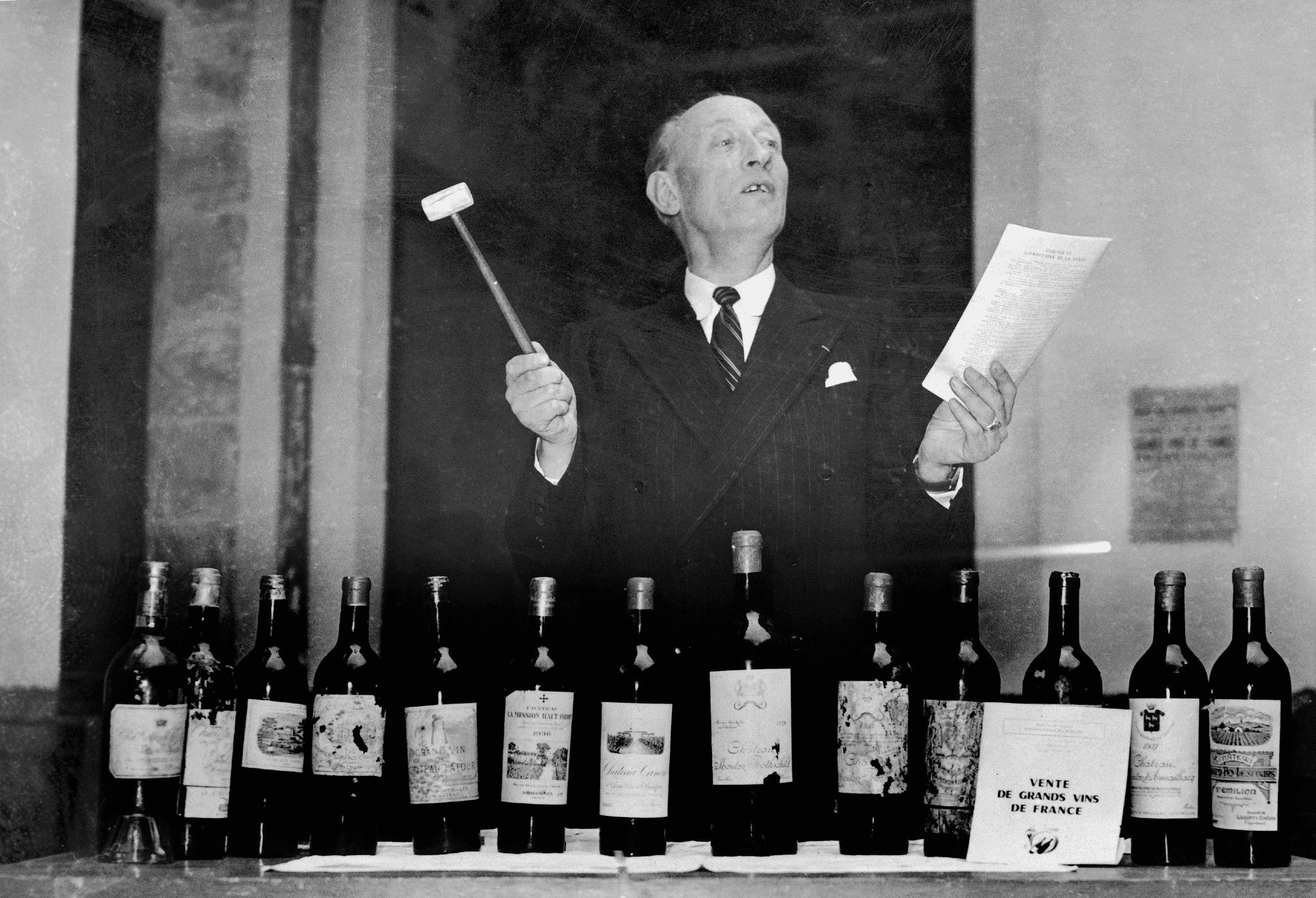
En primeur refers to the practice of buying wine before it has been bottled, while it is still ageing in barrel. Buyers commit capital today for wine that will only be delivered 12 to 24 months later, based on early tastings, critic assessments, and the reputation of the producer and vintage.
The system is most closely associated with Bordeaux, where it has operated at scale for decades, though variations exist in Burgundy, the Rhône and parts of Italy. While en primeur is often discussed as an investment opportunity, at its core it is simply a forward market for wine, a mechanism that allows wine to be priced and sold before it physically exists.
Whether that forward price represents value is the more important question.
Why En Primeur Developed
En primeur did not begin as an investment strategy. It emerged as a practical solution to a structural problem, cash flow.
Selling wine early allowed châteaux to finance operations, manage working capital, and reduce balance sheet risk. Merchants assumed the price risk and inventory burden, while buyers gained earlier access to sought after wines, occasionally at a discount for committing capital in advance.
As the market evolved, several shifts changed the character of the system. The introduction of standardised critic scoring created globally legible price signals. Demand became increasingly international, particularly from the US and Asia. Prices began to move well before wines were bottled, shipped, or consumed.
At that point, en primeur stopped being purely about financing production and became a mechanism for setting expectations.
How En Primeur Works in Practice
After harvest, wines enter barrel and remain there for up to two years. The following spring, critics and merchants taste unfinished samples during the annual en primeur tastings. Based on these assessments, châteaux release wines at a set price, typically in tranches, with volumes allocated to merchants.
Buyers who participate commit capital at this stage. Delivery takes place once the wine has been bottled and released, usually 12 to 24 months later.
During this period, buyers do not hold a liquid asset. They hold a claim on future delivery. That distinction is important, particularly from an investment perspective.
The Investment Case for En Primeur
When en primeur has worked well historically, it has done so for structural rather than speculative reasons.
The strongest performers tend to be wines with sufficient production to trade regularly, deep and established secondary markets, and release pricing that leaves room for appreciation once the wine becomes physical. In these cases, en primeur can provide access to wine at prices below long term fair value, particularly in undervalued vintages or periods of rising demand.
However, these conditions are not consistent. They depend heavily on pricing discipline at release and broader market sentiment.
Where En Primeur Often Falls Short
A common assumption is that buying early means buying cheaply. In practice, this is frequently untrue.
In recent years, many châteaux have priced wines to reflect anticipated future appreciation, rather than current market conditions. This shifts a significant portion of the upside from buyers to sellers and leaves little margin for error.
As a result, it has become increasingly common for wines to trade on the secondary market at or below their en primeur release price once they are physically available. This is not necessarily a failure of the wine itself, but a function of forward pricing in a market where sellers retain considerable influence.
Capital Lock Up and Opportunity Cost
Beyond price risk, en primeur carries meaningful capital considerations. Funds are committed for an extended period, with no yield and limited liquidity. Exit options prior to physical release are constrained, and pricing during this phase is highly sensitive to shifts in sentiment, macro conditions, and revised quality assessments.
These factors are often underemphasised in en primeur marketing, but they play a significant role in determining whether participation makes sense from a portfolio perspective.

En Primeur Versus the Physical Market
The key difference between en primeur and buying physical wine is timing.
En primeur requires investors to assume risk before information is complete. The physical market, by contrast, prices wine after quality has been realised, supply is known, and trading patterns are established.
Neither approach is inherently superior. They simply involve different risk profiles. The mistake is treating them as interchangeable.
How WineFi Approaches En Primeur
At WineFi, we do not treat en primeur as the default entry point for fine wine investment. We view it as situational.
Participation only makes sense when release prices sit clearly below observable fair value, liquidity pathways are well established, and the opportunity cost of capital is justified. In many cases, the secondary market offers more attractive risk adjusted entry points with greater flexibility and fewer assumptions.
En primeur is not where returns are automatically generated. It is where pricing errors occasionally occur.
Closing Thoughts
En primeur remains an important part of the fine wine market. It is not obsolete, nor is it inherently advantageous.
Used selectively and with discipline, it can play a role. Used reflexively, it often disappoints. Understanding en primeur, therefore, is less about learning how to buy early and more about knowing when waiting is the better decision.
That distinction is where long term outcomes are shaped.
Wine Investing
Wine Basics
14 Jan 2026
Who Is Robert Parker and Why He Matters
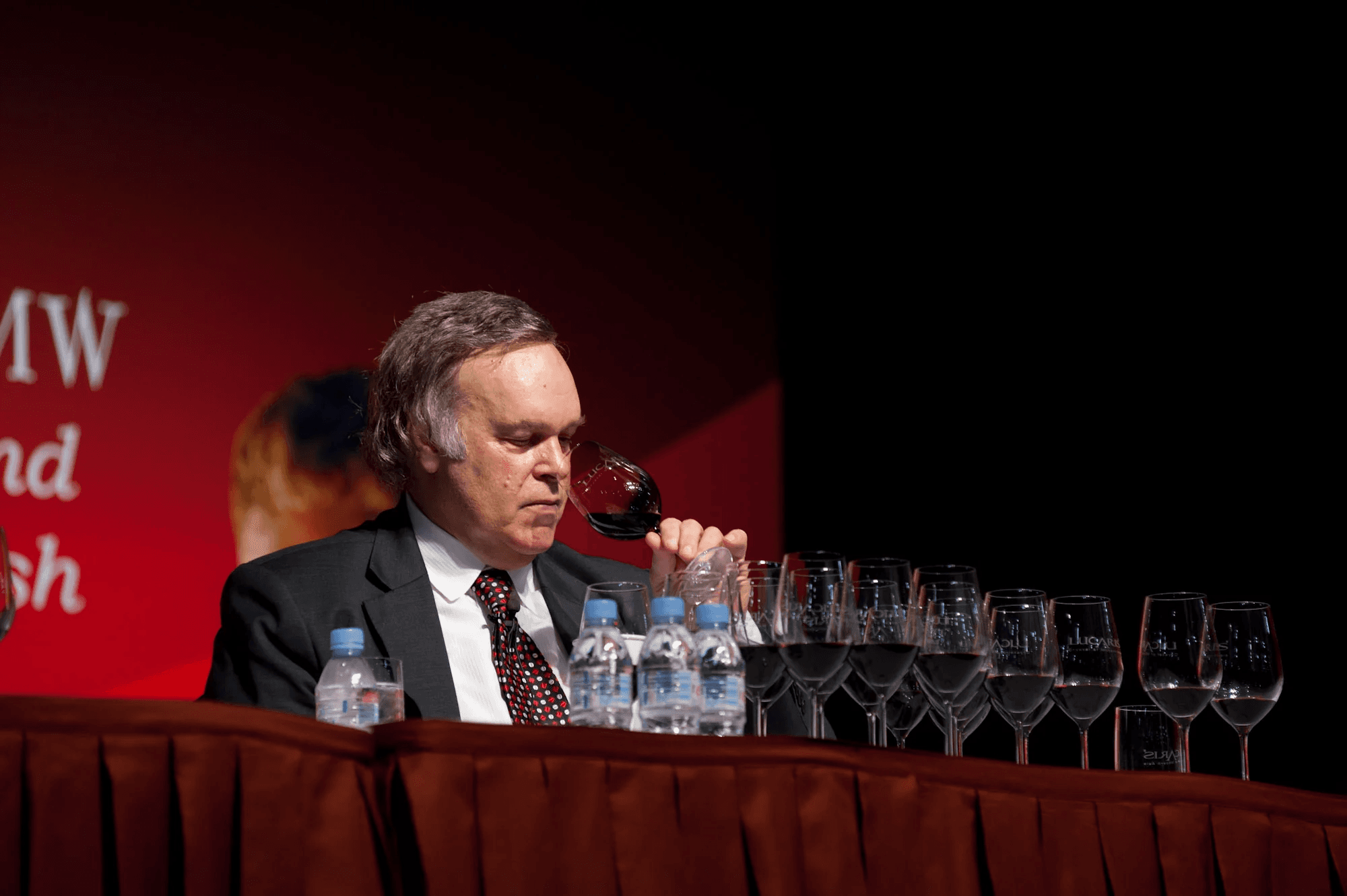
Robert Parker is an American wine critic best known as the founder of The Wine Advocate. Since the late 1970s, his writing and scoring have played a significant role in shaping how fine wine is evaluated, priced and traded, particularly at the upper end of the market.
For many investors and collectors, Parker’s influence is most visible through numbers. His use of the 100 point scoring system helped make wine quality easier to compare across producers, regions and vintages. Over time, those scores became embedded in the mechanics of the fine wine market itself.
Understanding Parker’s role is therefore less about personal taste and more about market structure.
The Wine Advocate and the Rise of Scoring
The Wine Advocate was launched in 1978 as an independent publication, initially focused on Bordeaux. At the time, much of wine criticism was opaque, relationship driven and difficult for international buyers to interpret.
Parker took a different approach. Wines were scored numerically and reviewed with a clear point of view. A single score could be read, understood and acted upon by buyers anywhere in the world.
This mattered because it reduced friction. Buyers no longer needed deep regional knowledge or direct access to merchants to form a view on quality. A score became a portable signal.
As the publication’s readership grew, so did the market’s sensitivity to those scores.
Parker’s Influence by Region
Parker’s impact was not uniform across the wine world.
He was particularly influential in Bordeaux, where en primeur pricing became closely tied to his early assessments. High scores often translated directly into higher release prices and stronger early secondary market demand.
His influence also extended into the Rhône, where he played a major role in elevating the global profile of producers such as Châteauneuf du Pape and Hermitage, and into parts of California, where his preferences aligned with richer, more powerful styles during the 1990s and early 2000s.
In regions where production volumes were sufficient to support secondary market trading, Parker’s scores became especially powerful price signals.
Parkerisation and Style Drift
As Parker’s influence grew, a phenomenon emerged that became known as Parkerisation.
Producers, consciously or not, began adjusting winemaking styles to appeal to the palate that appeared to score well. This often meant riper fruit, higher alcohol, more extraction and more new oak.
In some regions, this led to a degree of stylistic convergence. Wines became more homogeneous, at least at the top end of the market, as producers competed for critical recognition and the pricing power that came with it.
While this increased short term demand and visibility, it also sparked debate around diversity, regional identity and long term drinkability.
Parker and Other Critics
Parker did not invent numerical scoring, nor does he operate in isolation today.
Other critics and publications, including Wine Spectator, James Suckling, Vinous, Wine Enthusiast and Jancis Robinson, also use structured scoring systems, often on similar scales. Each has developed influence in different regions and market segments.
The key distinction is not the existence of scores, but how markets respond to them. Some critics have a measurable impact on price formation in certain regions. Others primarily influence consumer sentiment or short term demand.
The market has learned to differentiate.
Scores, Prices and the Price Per Point Effect
As scoring systems became embedded in the market, prices began to anchor not just to quality, but to quality relative to price.
One way this shows up is through price per point ratios. Two wines may receive the same score, but trade at very different prices. Conversely, some wines command significantly higher prices for relatively small differences in score.
This matters because scores are not linear in their economic impact. The difference between 94 and 96 points can have a disproportionate effect on demand and pricing, particularly in regions where critical opinion strongly influences buying behaviour.
Over time, markets tend to normalise these relationships. Wines that are expensive relative to their score often struggle to outperform unless scarcity or brand power compensates. Wines that offer strong scores relative to price tend to see more consistent demand and, in some cases, stronger price appreciation.
Understanding this dynamic is more useful than focusing on scores in isolation.
How Scores Behave Over Time
One important feature of critical opinion is that it evolves.
Wines are often rescored after bottling, and again after several years of ageing. Initial en primeur scores may be revised up or down as wines develop, and these revisions can influence price performance, particularly in the early years of a wine’s life.
However, the impact of rescoring varies by region and by critic. In some markets, early scores dominate pricing behaviour. In others, long term trading history matters more.
How WineFi Uses Critic Scores
At WineFi, critic scores are treated as inputs, not conclusions.
Our quantitative models incorporate both initial scores and subsequent rescores, but they are weighted based on observed influence on price performance within a given region. Critics are therefore weighted differently depending on where their opinions historically move prices.
We also analyse how scores relate to price through metrics such as price per point, allowing us to identify wines that are priced efficiently, aggressively, or attractively relative to their critical reception.
Scores are contextualised alongside liquidity, trading frequency, production scale and long term price data. No single score, or critic, determines an investment decision.
Closing Thoughts
Robert Parker’s significance lies in how he helped standardise the communication of quality at a global level.
By making wine easier to compare, he contributed to the development of deeper secondary markets and more transparent pricing. His influence also shaped production decisions and market dynamics, particularly in regions where trading activity was already emerging.
Today, Parker is one voice among many. His legacy, however, remains embedded in how fine wine is priced, traded and understood.
For investors, understanding that legacy is less about following scores and more about understanding how scores interact with price, liquidity and time.