
Introduction
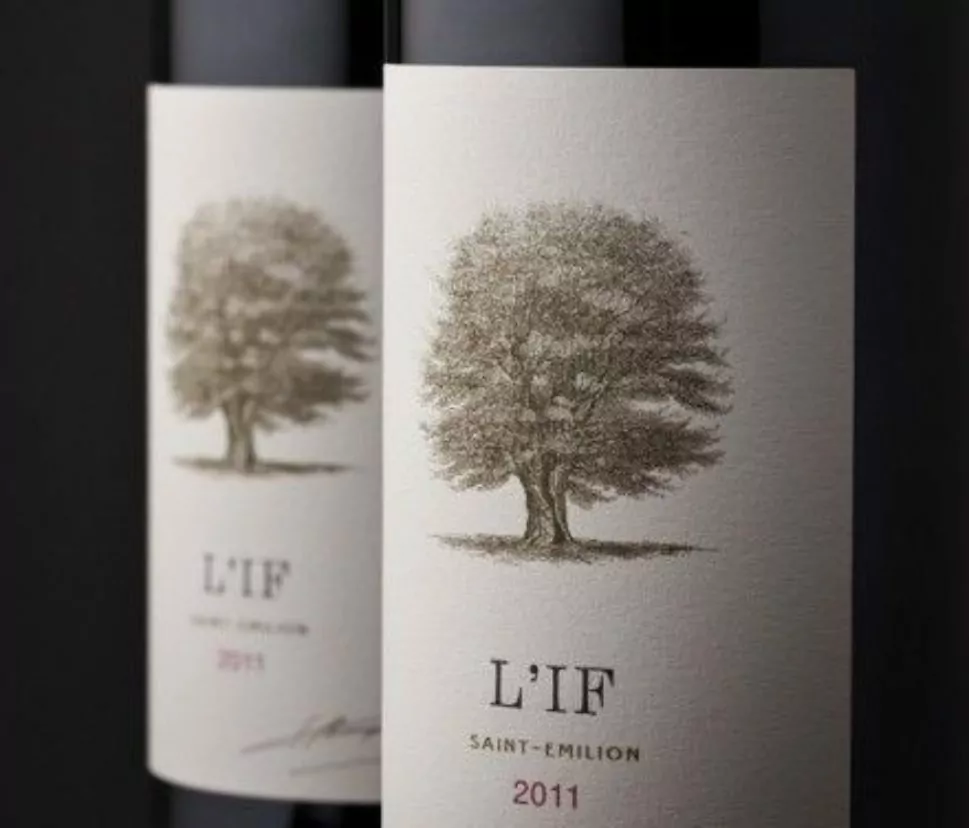
Château L’If, a relatively young but highly regarded Saint-Émilion estate, once generated considerable excitement in the fine wine market. Owned by Jacques Thienpont of Le Pin fame, its limited production and promising early vintages positioned it as a rising star among Right Bank wines. However, in recent years, L’If has been one of the largest price fallers on the secondary market, leaving collectors and investors questioning what went wrong.
This report explores the key reasons behind Château L’If’s price decline over the past 3–6 years, examining broader Bordeaux market trends, the estate’s critical reception, shifts in collector demand, and economic factors impacting fine wine investment. By analyzing L’If’s trajectory in relation to its peers, we can better understand whether this downturn is a temporary market correction or a fundamental reassessment of the estate’s value.
Market Trends in Bordeaux and St‑Émilion (2018–2024)
In recent years, Bordeaux’s fine wine market has softened notably. Bordeaux wines have lost market share to other regions, dropping from about 60% of trade in 2013 to just ~40% by 2024. Demand has shifted toward Burgundy, Champagne, Italy and others, leaving Bordeaux with “subdued” buyer interest despite excellent vintages. Broad indices illustrate this malaise: the Liv-ex Bordeaux 500 index was down ~4% over the five years to end-2024, and the Liv-ex 1000 (broadest market index) fell ~15% year-on-year by early 2024 . In short, Bordeaux as a whole has underperformed, especially relative to the boom in other regions.
Several factors explain Bordeaux’s trend. First, an inconsistent pricing policy from châteaux has undermined buyer confidence. Many properties priced recent vintages too high on release, disrupting the balance of supply and demand. As a result, a large number of Bordeaux wines from post-2015 vintages are now trading below their original release prices – the widest such gap since 2015. This is especially true for St‑Émilion and Right Bank wines that saw aggressive pricing during a run of great harvests (2015, 2016, 2018, 2019). While quality has been excellent, these back-to-back “vintages of the decade” created oversupply of high-end Bordeaux. With so much top-quality wine available, prices faced natural pressure.
Secondly, the departure of influential critic Robert Parker (who retired from Bordeaux reviewing around 2015) altered the landscape. St‑Émilion in particular had benefitted from “Parker era” enthusiasm for ripe, opulent styles. In the post-Parker era, no single critic drives demand to the same extent, and some modern St‑Émilion wines have seen more conservative scores or divided opinions. Combined with shifting tastes (some collectors now seek fresher, classic styles over the most extracted “Parkerized” wines), this tempered the Right Bank hype. Even the prestigious St‑Émilion classification itself hit turbulence (witness Château Angélus and others withdrawing in 2022), which created uncertainty. Overall, collector attention drifted toward regions seen as offering more dynamic returns (Burgundy, Italian icons, Champagne), leaving many Bordeaux labels languishing.
Château L’If: Early Hype vs. Recent Reality
Château L’If is a relatively new Saint‑Émilion estate (first vintage under Jacques Thienpont in 2011) with pedigree – it’s owned by the Thienpont family of Le Pin. Early on, L’If generated buzz as a potential “Le Pin of St‑Émilion,” with tiny production and a famous owner. Initial vintages were highly allocated and priced accordingly. In fact, Liv-ex’s 2021 ranking of top wines by price placed L’If in the “second growth” tier, an eye-catching result for such a young label. This reflected the early secondary-market hype that drove prices upward. Some enthusiasts noted L’If had “caught the zeitgeist” of rising wine prices around 2020, making it a candidate for flipping rather than just drinking.
However, as more data on L’If accumulated, the market reassessed. Critical reviews, while generally positive, have been mixed in tone. Some critics offered sky-high praise – for example, James Suckling awarded the 2012 L’If a staggering 98 points, and The Wine Cellar Insider’s Jeff Leve has also given “cult” levels of acclaim to top vintages. But others were more reserved: Neal Martin rated that same 2012 vintage only 91 points, noting a brooding style requiring patience. Jancis Robinson’s team (Julia Harding) scored it 16.5/20 (roughly mid-80s in conversion).
This disparity suggested that while L’If was very good, it wasn’t a unanimous “home run” with critics. Vintages like 2015 and 2016 likewise garnered solid mid-90s scores, but not the consistent 98–100 point consensus that truly drives investor demand. In short, L’If’s quality is well-regarded but not definitively superior to its peers, which makes its early premium pricing harder to sustain.
Vintage variation also played a role. L’If’s best years (e.g. 2015, 2016, 2018, 2019, 2020) aligned with Bordeaux’s great vintages, but it also had lesser years: 2013 and 2017 were weaker across Bordeaux and L’If was no exception. Those off-vintages command much lower prices (Wine-Searcher shows L’If 2013 averaging only ~$115 and 2017 around $158). Even some strong vintages of L’If did not appreciate as hoped. For instance, the 2015 L’If averages about $182/bottle today; the 2016 is ~$190.
These prices are roughly on par with or below their initial release levels, indicating little gain. In some cases, buyers who paid lofty en primeur prices saw values dip on the secondary market. By contrast, a few established Right Bank wines (like Château Canon 2015 or Figeac 2016) did see significant rises as critical consensus and brand prestige lifted them. L’If, being a newcomer, has had to prove itself without the safety net of a classified status or long track record. As initial excitement cooled, collectors grew more discerning, asking: does L’If merit the same price as long-established top Saint‑Émilions? Many concluded it did not, at least not to the extent early pricing implied.
On the supply side, production and distribution changes have also normalized L’If’s market. In its first few years, L’If was extremely scarce – under 1,000 cases/year were produced. Such low volume created an aura of exclusivity. But Jacques Thienpont always intended to replant and expand output on the estate’s 8 hectares. By the 2018–2020 vintages, more vines were in production (still small, but a bit higher).
Any increase in supply, even modest, can soften prices if demand doesn’t grow accordingly. L’If is sold via Bordeaux négociants (offered en primeur starting with the 2012 vintage),meaning it’s distributed widely on the market rather than only through a tight mailing list or exclusive channels. As more merchants carried L’If, buyers had opportunities to shop around, and unsold stocks from hype vintages flowed into the market. Indeed, by 2024 one can find multiple offers of L’If around the world, suggesting it’s available rather than an unobtainable unicorn. This broader availability has put downward pressure on prices compared to the early days when collectors scrambled for a few cases.
Broader Economic and Investor Factors
Beyond wine-specific trends, general economic conditions since 2018 have influenced wine investment returns. Several waves of uncertainty hit the fine wine market: the US–China trade war and a U.S. tariff on French wines (2019–2020) dampened transatlantic demand for Bordeaux. Brexit and currency swings added complexity (the UK is a key Bordeaux market). Then in 2020, the COVID-19 pandemic initially caused cash crunches for some collectors, leading a number of major cellars to be liquidated – which temporarily flooded the secondary market with supply. Although wine prices then rebounded strongly in late 2020 and 2021 (a period of low interest rates and booming asset prices), that rally was led by Burgundy, Champagne, and top Napa/Italy, more so than Bordeaux.
By 2022–2023, the macro environment turned more challenging for all investments. Inflation surged and central banks raised interest rates sharply. This made holding non-yielding assets like wine less attractive at the margin, and many investors started to rebalance or sell wines to raise cash for other opportunities. The result was a broad pullback in wine indices: as noted, Liv-ex 1000 fell over 15% in 2023
Fine wine became a buyer’s market in 2023, with higher trade volumes but at lower price levels. For a relatively young “investment-grade” wine like Château L’If, this meant fewer buyers willing to pay the previous highs. When the overall market sentiment is weak, newer and marginally less “blue-chip” wines are often hit hardest, as collectors refocus on the most established names.
It’s also worth noting that broader economic growth patterns affected where wine demand came from. A few years ago, rapid growth in China had fueled high Bordeaux prices, but Chinese buying interest shifted (partly to Burgundy, partly diminished by anti-corruption measures and then COVID restrictions). Meanwhile, the U.S. market grew in importance – and American buyers, post-tariffs, became more price-sensitive on Bordeaux. Economic slowdowns or stock market volatility can lead collectors to pause new purchases or sell wines that aren’t “must-haves.” In such times, wines with the strongest brand loyalty (First Growths, cult Napa, etc.) hold value best, whereas a recent entrant like L’If might be more readily sold off. In essence, rising economic tides lifted wine prices in 2020–21, but the ebb in 2022–23 exposed those wines whose valuations were not firmly supported by long-term demand. L’If fell into that category.
Secondary Market Performance: Château L’If vs. Peers
Pricing data underscore that L’If’s price correction is part of a wider trend, though its severity is notable. According to Wine-Searcher figures, the average price for L’If across all vintages is about $168 per 750ml.
Recent prized vintages like 2018 and 2020 retail around $180–$190, basically flat versus their initial release prices. In some cases, they’re lower: e.g. the 2018 L’If is ~$194 now, and the 2020 ~$185, whereas on release these were offered at similar or higher levels once taxes and margins are included. The newest vintages have even seen initial price cuts: the 2023 L’If (from a less celebrated vintage and amid a slow en primeur campaign) is being offered around $137, significantly below the levels of 2018–2020. This aligns with a broader move in Bordeaux 2023 futures, where many châteaux slashed opening prices to re-engage buyers
Essentially, the market has “reset” prices for wines like L’If to more sustainable levels.
Compared to similar wines, L’If’s decline is not unique. Many high-end Right Bank wines from the mid-2010s peak have struggled to appreciate. For example, Premier Grand Cru Classé estates Angélus and Pavie (promoted to the top tier in 2012 amid much fanfare) saw their prices stagnate or dip in the secondary market by the late 2010s, leading them to reposition strategies. Multiple merchants reported that recent vintages of these and other St‑Émilions were often available below their ex-château prices – indicating losses for speculative buyers.
Even some less expensive garagiste/cult wines from St‑Émilion (like Valandraud or Le Dôme) have needed to prove their worth; a few have held value, but many trade sideways at best. In contrast, truly iconic Right Bank wines (Petrus, Le Pin, Lafleur, Ausone, etc.) largely escaped this downturn – but those have decades of reputation and global collector bases. L’If as a newcomer is more comparable to the likes of Tertre Roteboeuf or Lafleur’s second wine in terms of market position. Notably, small Pomerol labels with Jacobs Thienpont’s touch (like L’If’s sister Le Pin, or Thienpont cousins’ Vieux Château Certan and L’Hêtre) have varied outcomes: Le Pin remains astronomically valued, but others saw only modest rises. This suggests L’If’s early pricing may have been too aggressive relative to its perceived status. Once the novelty wore off, the market gravitated to a price point commensurate with its peers’ performance and brand strength.
Auction and merchant reports confirm these shifts. Bordeaux Index, a major merchant, noted that while Bordeaux still dominates trading by volume, its demand dynamics are muted and prices have eased considerably. In their view, abundant supply of high-quality Bordeaux has outpaced collector interest. Another merchant-based study pointed out that in 2024, bid/offer ratios for Bordeaux were at historic lows, reflecting more people selling than buying. At auction, we see a similar story: Sotheby’s achieved record wine sales in 2023 by increasing the number of lots 17% year-on-year, even as overall fine wine prices fell in that 12-month period.
In other words, more bottles (including many Bordeaux) had to change hands – often at softer prices – to reach those sales totals. Many recent Bordeaux lots, especially those from the 2015–2020 era, have been fetching only cautious bids. One report highlighted that almost all major châteaux have responded to this “crisis” with price reductions.
For Château L’If, which doesn’t enjoy centuries of cachet, the result of these market dynamics was a noticeable price slide. Sellers who bought L’If at its height found that auction estimates had to be adjusted down. For instance, cases of L’If that might have been expected to appreciate ended up selling at or below original cost once fees are factored. This is consistent with the general observation that many Bordeaux labels from recent vintages are “underwater” for investors (negative returns)
It’s important to stress that L’If’s price decline is largely a reflection of market recalibration, not a sign of severe quality issues at the estate. The wine itself continues to receive strong reviews (mid-90s scores and praise for its elegance and terroir). In fact, 2020, 2022, and 2023 were all rated 94/100 on average by critics – a testament to consistency. Thus, the falling prices say more about external conditions and initial overpricing than about the wine in the bottle.
Conclusion and Insights
Château L’If’s secondary market slump over the past 3–6 years can be attributed to a confluence of factors: a cooling of Bordeaux’s overall market, oversupply of top-tier vintages, less speculative frenzy for Right Bank newcomers, and broader economic pressures on collectible assets. Early excitement and scarcity drove L’If’s prices to ambitious heights, but as the broader fine wine market shifted and more L’If became available, those prices weren’t fully sustained. The estate lacked the long-term brand inertia that shields more established names in down cycles. Meanwhile, en primeur buyers became more value-conscious, balking at paying a premium for a wine still earning its reputation.
In essence, L’If’s price trajectory has normalized to better align with its standing: it remains a highly regarded Saint‑Émilion, but one priced closer to its peers rather than as an outlier. This experience is not unique – many Bordeaux wines (especially from recent St‑Émilion vintages) have seen corrections, indicating a wider trend rather than any singular failure by L’If. As one industry commentary put it, Bordeaux in the current era “remains significantly traded… but has perhaps the most subdued relative demand” among fine wines. Collectors are simply looking elsewhere or insisting on discounts.
The good news for wine lovers (if not early investors) is that Château L’If now presents better value than a few years ago. Its price decline means buyers today can obtain a wine of serious pedigree and quality at a relative bargain versus its initial hype. For the estate to rekindle price momentum, it may take more time and a series of standout vintages to cement its reputation. Broader market recovery would help too – signs of stability or renewed interest in Bordeaux would likely lift L’If along with others. Until then, L’If’s story stands as a case study in how market trends, supply dynamics, and investor psychology can dramatically impact a wine’s fortunes on the secondary market. The rise and fall of its prices underscore the importance of trends and timing in fine wine investment: even a top-notch wine can see its value shrink if it rides a frothy wave that later recedes.
Ultimately, the significant price decline of Château L’If reflects both the headwinds facing Bordeaux and the recalibration of a once over-enthused market. It reminds us that in the world of wine investment, fundamentals and patience often win out over hype. As the frenzy of the mid-2010s and pandemic-era peaks has faded, wines like L’If are finding their true level – one that may yet rise again, but on firmer, more organic grounds next time around.
Enjoyed the article? Spread the news!
Read More
Wine Investing
15 Jan 2026
WineFi Q4 2025 Quarterly Report
Introduction
We’re extremely excited to share our quarterly wine market report - delivering the most detailed view of the wine markets through Q4 2025. This is a pivotal report, as Q4 saw a continuation of the positive market momentum first observed in Q3.
The WineFi Trade Price Index recorded its second consecutive quarter of growth - a trend we have not seen in over three years.
Wine Investing
14 Jan 2026
What Is En Primeur?
What Is En Primeur?
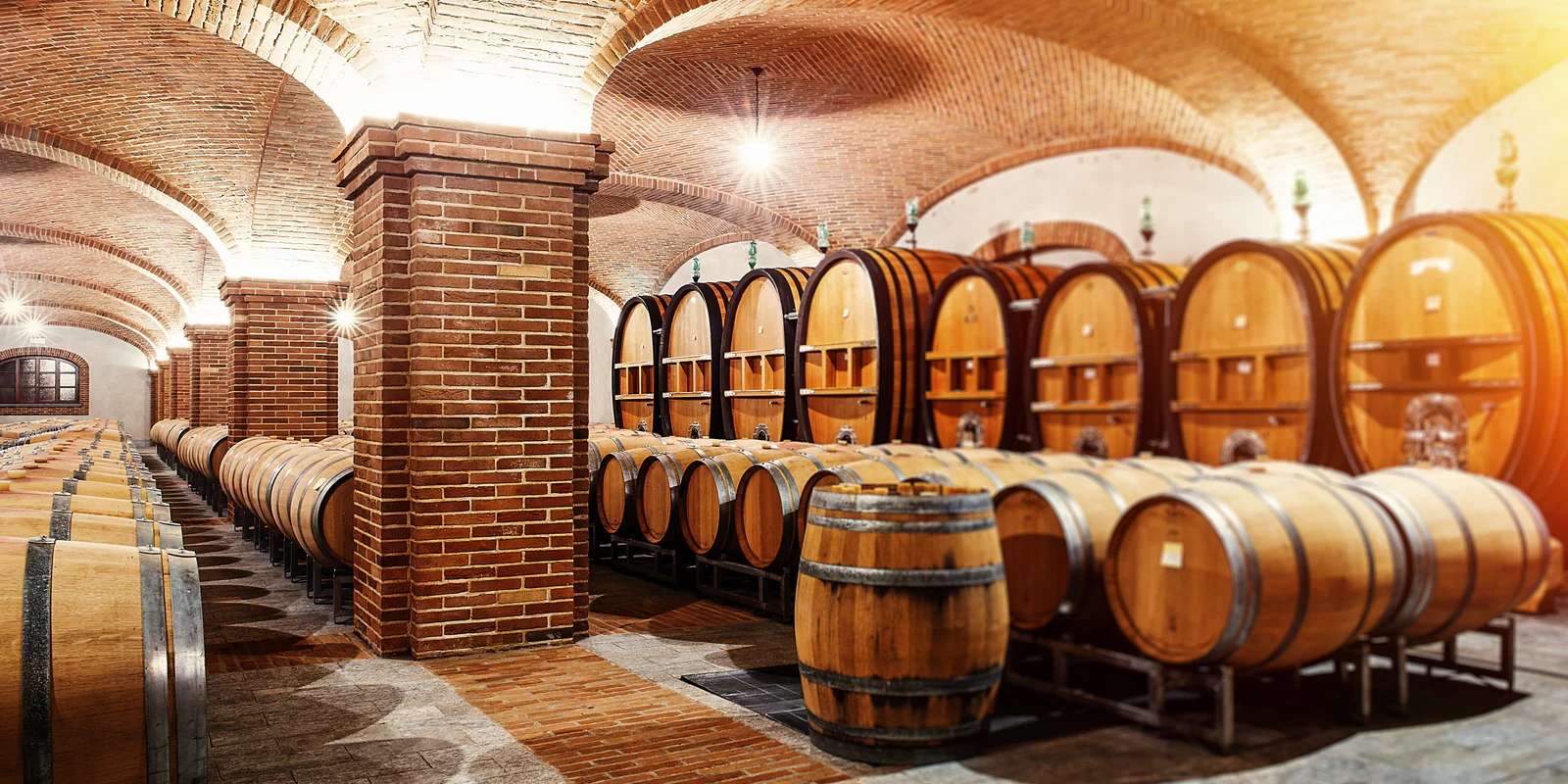
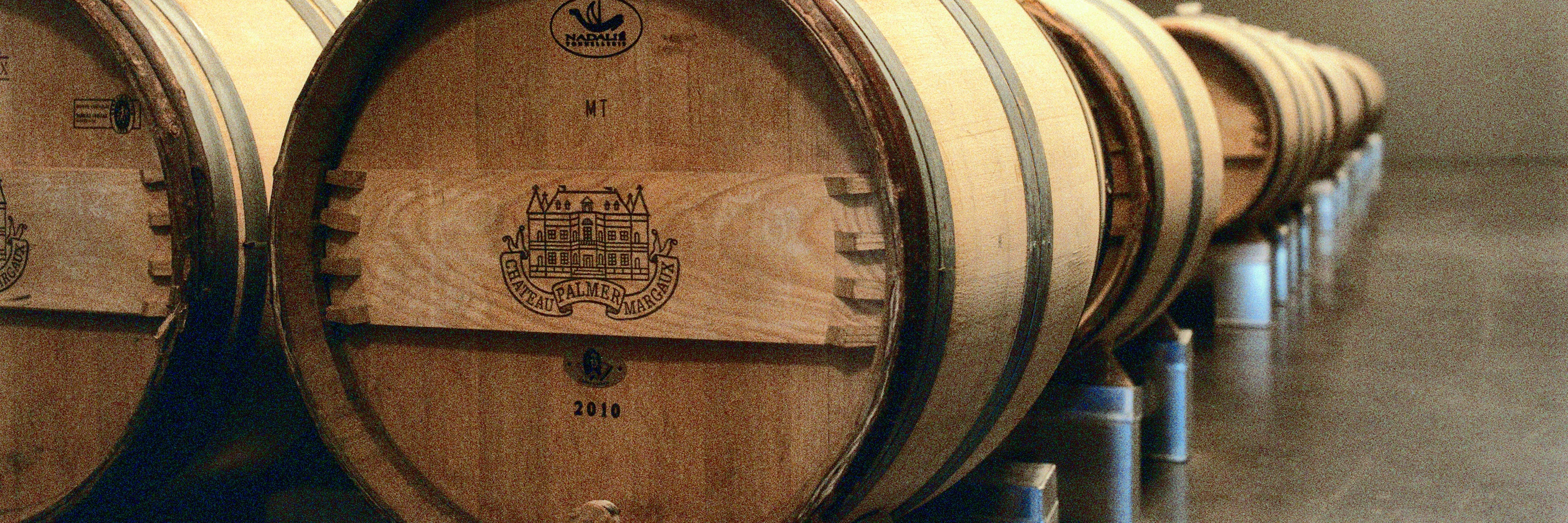
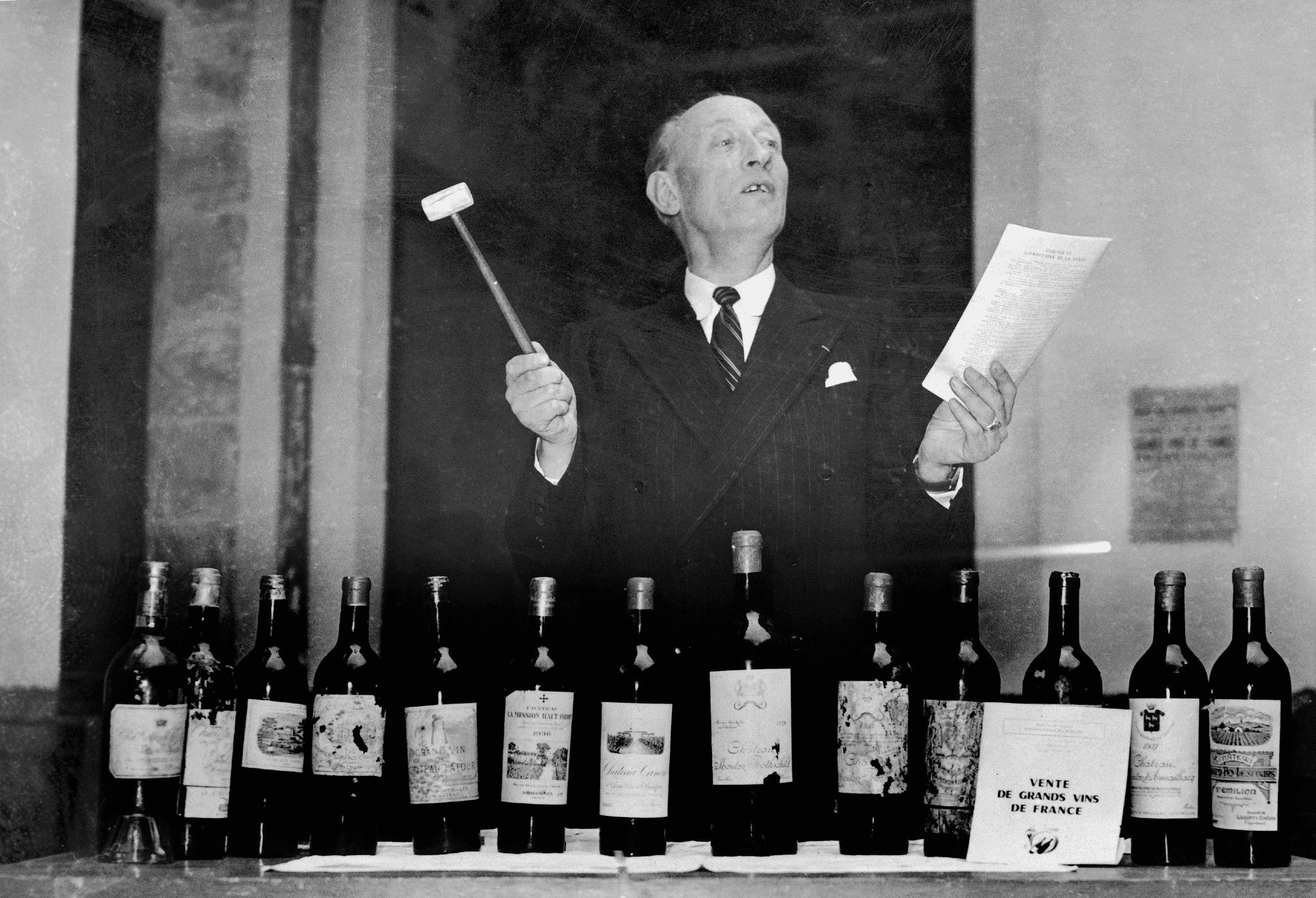
En primeur refers to the practice of buying wine before it has been bottled, while it is still ageing in barrel. Buyers commit capital today for wine that will only be delivered 12 to 24 months later, based on early tastings, critic assessments, and the reputation of the producer and vintage.
The system is most closely associated with Bordeaux, where it has operated at scale for decades, though variations exist in Burgundy, the Rhône and parts of Italy. While en primeur is often discussed as an investment opportunity, at its core it is simply a forward market for wine, a mechanism that allows wine to be priced and sold before it physically exists.
Whether that forward price represents value is the more important question.
Why En Primeur Developed
En primeur did not begin as an investment strategy. It emerged as a practical solution to a structural problem, cash flow.
Selling wine early allowed châteaux to finance operations, manage working capital, and reduce balance sheet risk. Merchants assumed the price risk and inventory burden, while buyers gained earlier access to sought after wines, occasionally at a discount for committing capital in advance.
As the market evolved, several shifts changed the character of the system. The introduction of standardised critic scoring created globally legible price signals. Demand became increasingly international, particularly from the US and Asia. Prices began to move well before wines were bottled, shipped, or consumed.
At that point, en primeur stopped being purely about financing production and became a mechanism for setting expectations.
How En Primeur Works in Practice
After harvest, wines enter barrel and remain there for up to two years. The following spring, critics and merchants taste unfinished samples during the annual en primeur tastings. Based on these assessments, châteaux release wines at a set price, typically in tranches, with volumes allocated to merchants.
Buyers who participate commit capital at this stage. Delivery takes place once the wine has been bottled and released, usually 12 to 24 months later.
During this period, buyers do not hold a liquid asset. They hold a claim on future delivery. That distinction is important, particularly from an investment perspective.
The Investment Case for En Primeur
When en primeur has worked well historically, it has done so for structural rather than speculative reasons.
The strongest performers tend to be wines with sufficient production to trade regularly, deep and established secondary markets, and release pricing that leaves room for appreciation once the wine becomes physical. In these cases, en primeur can provide access to wine at prices below long term fair value, particularly in undervalued vintages or periods of rising demand.
However, these conditions are not consistent. They depend heavily on pricing discipline at release and broader market sentiment.
Where En Primeur Often Falls Short
A common assumption is that buying early means buying cheaply. In practice, this is frequently untrue.
In recent years, many châteaux have priced wines to reflect anticipated future appreciation, rather than current market conditions. This shifts a significant portion of the upside from buyers to sellers and leaves little margin for error.
As a result, it has become increasingly common for wines to trade on the secondary market at or below their en primeur release price once they are physically available. This is not necessarily a failure of the wine itself, but a function of forward pricing in a market where sellers retain considerable influence.
Capital Lock Up and Opportunity Cost
Beyond price risk, en primeur carries meaningful capital considerations. Funds are committed for an extended period, with no yield and limited liquidity. Exit options prior to physical release are constrained, and pricing during this phase is highly sensitive to shifts in sentiment, macro conditions, and revised quality assessments.
These factors are often underemphasised in en primeur marketing, but they play a significant role in determining whether participation makes sense from a portfolio perspective.
En Primeur Versus the Physical Market
The key difference between en primeur and buying physical wine is timing.
En primeur requires investors to assume risk before information is complete. The physical market, by contrast, prices wine after quality has been realised, supply is known, and trading patterns are established.
Neither approach is inherently superior. They simply involve different risk profiles. The mistake is treating them as interchangeable.
How WineFi Approaches En Primeur
At WineFi, we do not treat en primeur as the default entry point for fine wine investment. We view it as situational.
Participation only makes sense when release prices sit clearly below observable fair value, liquidity pathways are well established, and the opportunity cost of capital is justified. In many cases, the secondary market offers more attractive risk adjusted entry points with greater flexibility and fewer assumptions.
En primeur is not where returns are automatically generated. It is where pricing errors occasionally occur.
Closing Thoughts
En primeur remains an important part of the fine wine market. It is not obsolete, nor is it inherently advantageous.
Used selectively and with discipline, it can play a role. Used reflexively, it often disappoints. Understanding en primeur, therefore, is less about learning how to buy early and more about knowing when waiting is the better decision.
That distinction is where long term outcomes are shaped.
Wine Investing
Wine Basics
14 Jan 2026
Who Is Robert Parker and Why He Matters
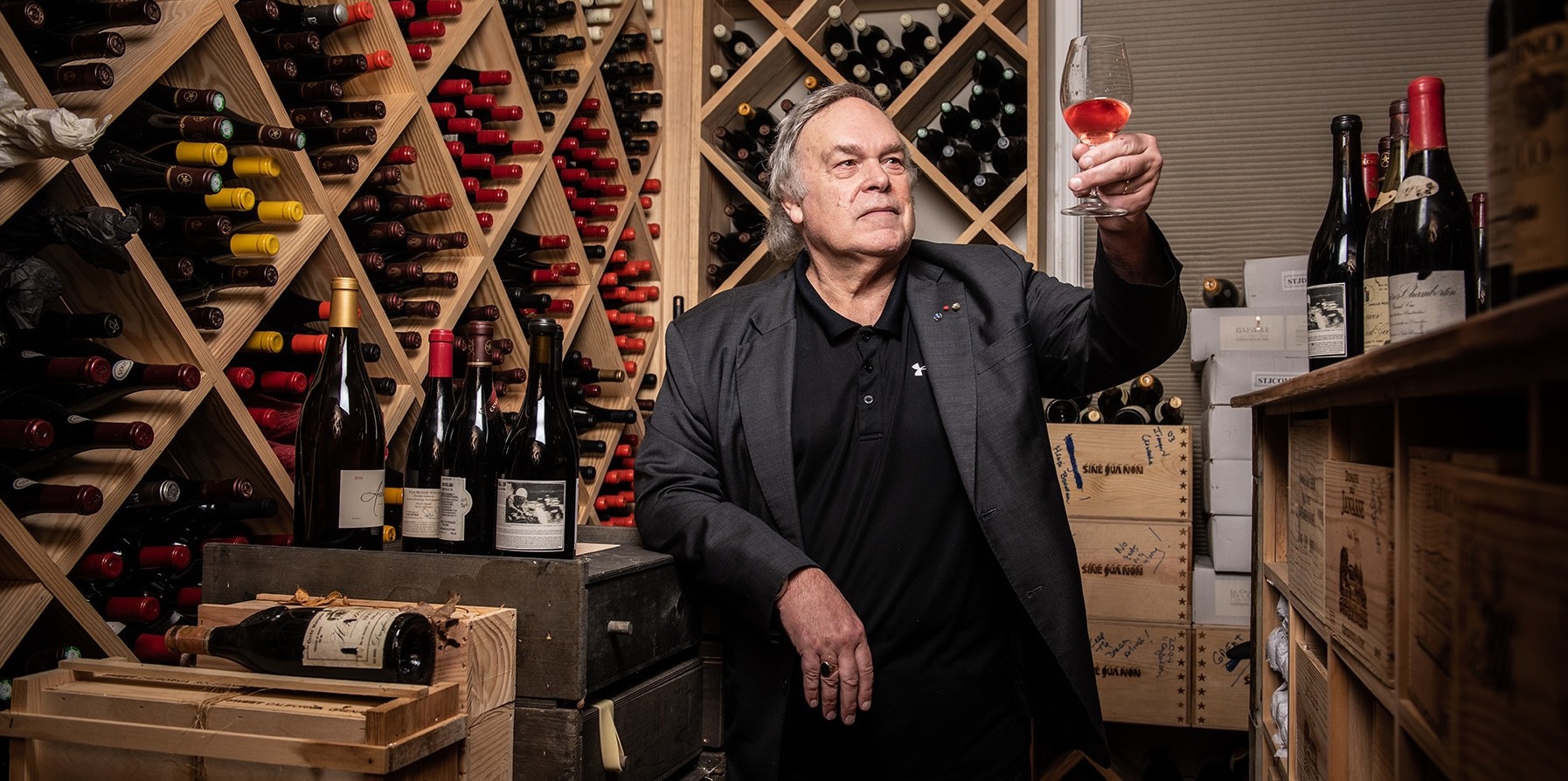
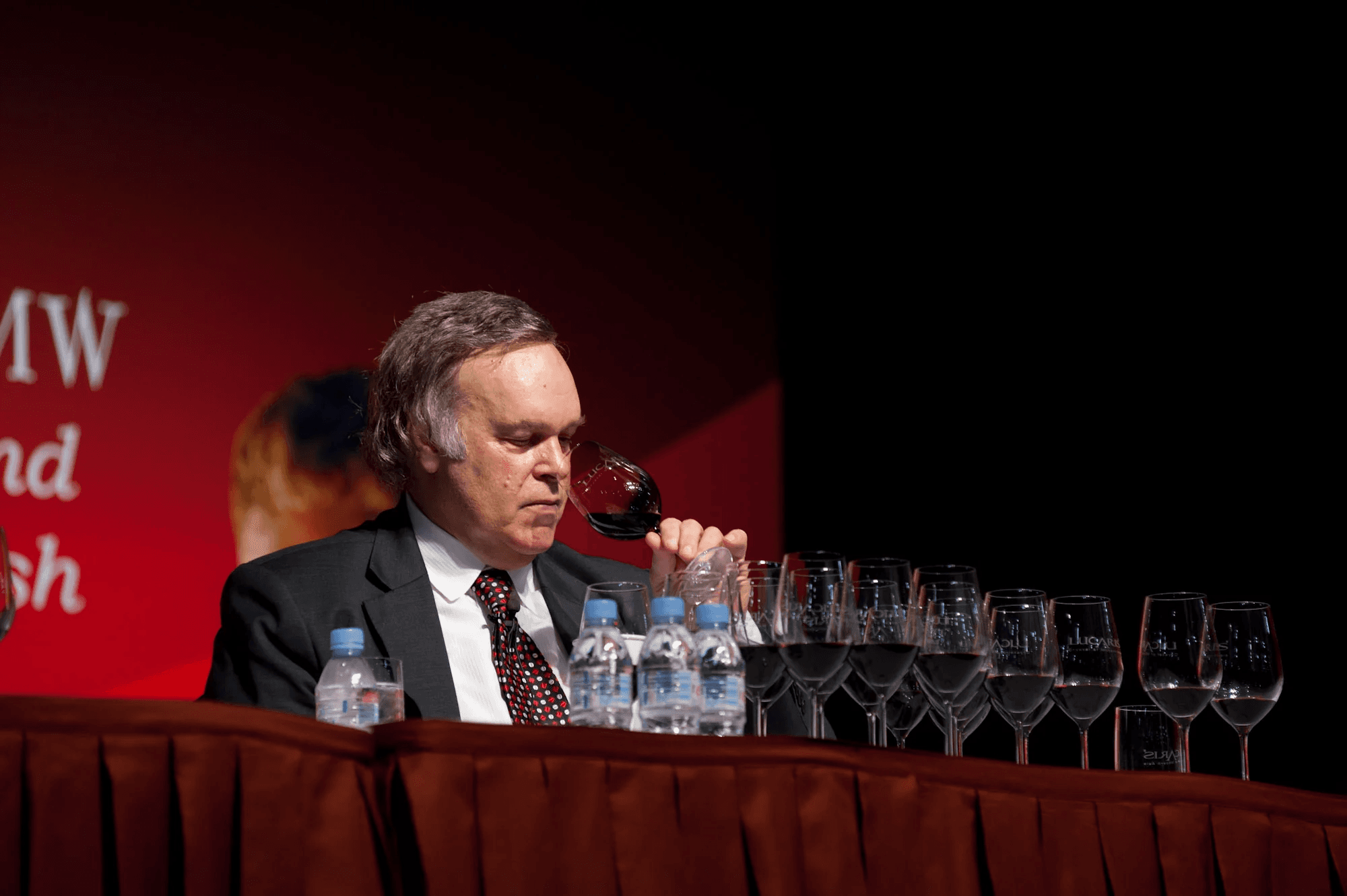
Robert Parker is an American wine critic best known as the founder of The Wine Advocate. Since the late 1970s, his writing and scoring have played a significant role in shaping how fine wine is evaluated, priced and traded, particularly at the upper end of the market.
For many investors and collectors, Parker’s influence is most visible through numbers. His use of the 100 point scoring system helped make wine quality easier to compare across producers, regions and vintages. Over time, those scores became embedded in the mechanics of the fine wine market itself.
Understanding Parker’s role is therefore less about personal taste and more about market structure.
The Wine Advocate and the Rise of Scoring
The Wine Advocate was launched in 1978 as an independent publication, initially focused on Bordeaux. At the time, much of wine criticism was opaque, relationship driven and difficult for international buyers to interpret.
Parker took a different approach. Wines were scored numerically and reviewed with a clear point of view. A single score could be read, understood and acted upon by buyers anywhere in the world.
This mattered because it reduced friction. Buyers no longer needed deep regional knowledge or direct access to merchants to form a view on quality. A score became a portable signal.
As the publication’s readership grew, so did the market’s sensitivity to those scores.
Parker’s Influence by Region
Parker’s impact was not uniform across the wine world.
He was particularly influential in Bordeaux, where en primeur pricing became closely tied to his early assessments. High scores often translated directly into higher release prices and stronger early secondary market demand.
His influence also extended into the Rhône, where he played a major role in elevating the global profile of producers such as Châteauneuf du Pape and Hermitage, and into parts of California, where his preferences aligned with richer, more powerful styles during the 1990s and early 2000s.
In regions where production volumes were sufficient to support secondary market trading, Parker’s scores became especially powerful price signals.
Parkerisation and Style Drift
As Parker’s influence grew, a phenomenon emerged that became known as Parkerisation.
Producers, consciously or not, began adjusting winemaking styles to appeal to the palate that appeared to score well. This often meant riper fruit, higher alcohol, more extraction and more new oak.
In some regions, this led to a degree of stylistic convergence. Wines became more homogeneous, at least at the top end of the market, as producers competed for critical recognition and the pricing power that came with it.
While this increased short term demand and visibility, it also sparked debate around diversity, regional identity and long term drinkability.
Parker and Other Critics
Parker did not invent numerical scoring, nor does he operate in isolation today.
Other critics and publications, including Wine Spectator, James Suckling, Vinous, Wine Enthusiast and Jancis Robinson, also use structured scoring systems, often on similar scales. Each has developed influence in different regions and market segments.
The key distinction is not the existence of scores, but how markets respond to them. Some critics have a measurable impact on price formation in certain regions. Others primarily influence consumer sentiment or short term demand.
The market has learned to differentiate.
Scores, Prices and the Price Per Point Effect
As scoring systems became embedded in the market, prices began to anchor not just to quality, but to quality relative to price.
One way this shows up is through price per point ratios. Two wines may receive the same score, but trade at very different prices. Conversely, some wines command significantly higher prices for relatively small differences in score.
This matters because scores are not linear in their economic impact. The difference between 94 and 96 points can have a disproportionate effect on demand and pricing, particularly in regions where critical opinion strongly influences buying behaviour.
Over time, markets tend to normalise these relationships. Wines that are expensive relative to their score often struggle to outperform unless scarcity or brand power compensates. Wines that offer strong scores relative to price tend to see more consistent demand and, in some cases, stronger price appreciation.
Understanding this dynamic is more useful than focusing on scores in isolation.
How Scores Behave Over Time
One important feature of critical opinion is that it evolves.
Wines are often rescored after bottling, and again after several years of ageing. Initial en primeur scores may be revised up or down as wines develop, and these revisions can influence price performance, particularly in the early years of a wine’s life.
However, the impact of rescoring varies by region and by critic. In some markets, early scores dominate pricing behaviour. In others, long term trading history matters more.
How WineFi Uses Critic Scores
At WineFi, critic scores are treated as inputs, not conclusions.
Our quantitative models incorporate both initial scores and subsequent rescores, but they are weighted based on observed influence on price performance within a given region. Critics are therefore weighted differently depending on where their opinions historically move prices.
We also analyse how scores relate to price through metrics such as price per point, allowing us to identify wines that are priced efficiently, aggressively, or attractively relative to their critical reception.
Scores are contextualised alongside liquidity, trading frequency, production scale and long term price data. No single score, or critic, determines an investment decision.
Closing Thoughts
Robert Parker’s significance lies in how he helped standardise the communication of quality at a global level.
By making wine easier to compare, he contributed to the development of deeper secondary markets and more transparent pricing. His influence also shaped production decisions and market dynamics, particularly in regions where trading activity was already emerging.
Today, Parker is one voice among many. His legacy, however, remains embedded in how fine wine is priced, traded and understood.
For investors, understanding that legacy is less about following scores and more about understanding how scores interact with price, liquidity and time.